
Welcome
Learn a little more about the project here
What is a living funeral?
This exact question is part of what this study seeks to understand. There are many emergent forms of living funerals, or wakes, or celebrations of life – and it seems almost as many names to describe them all! This study is particularly interested in the gatherings hosted by people who know that they are dying soon – no matter what the wake or funeral looks like or includes.
Who can be involved and what would I do?
If you have ever been involved in a living funeral as a guest, host or deathcare professional, or are planning an upcoming event – I would love to speak with you. There are many ways to be involved – from short interviews to longer life-story interviews, or even just “hanging out” – spending time together before, during and after the gathering. You can be as involved as much, or as little, as you like.
Where can I find out more?
Please send me a message here and I will be happy to call you and chat a bit more about the project, and hear your own story too. I will also send you a copy of the project’s plain language statement that is most relevant to you. If you have a specific question please send it through and I will be in touch as soon as possible.

Who is the researcher?
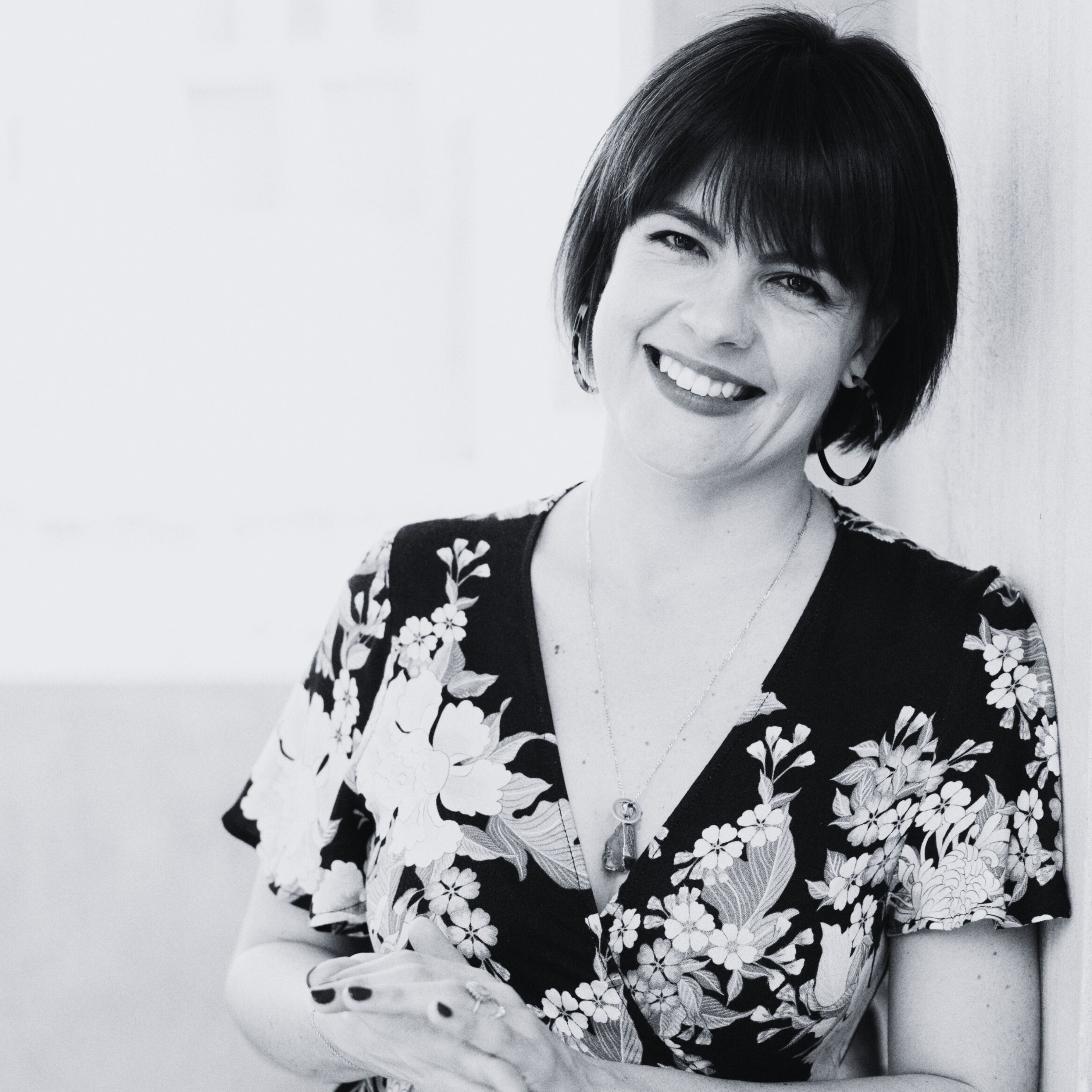
Hi, I’m Cindy Stocken, an anthropologist and PhD researcher at the University of Melbourne. I am interested in the ways people create and adapt rituals, especially at the end of our lives. This project comes from a broader study exploring the ways in which people personalise funerals and end-of-life rites in Melbourne. During that research multiple funeral directors, celebrants and end-of-life doulas spoke about a growing interest in living funerals or wakes. They described the choices that families made in designing them, and the unique experience people had of being at their own funerals, which often felt like celebrations. I became curious to know more about these gatherings and what they tell us about death in Australia today.
I am a member of the Australian Anthropological Society, the DeathTech Research Team at the University of Melbourne, the Australian Death Studies Society, the Critical Ethnography Lab, and the Australian Network of Student Anthropologists.

 Living Funeral Project